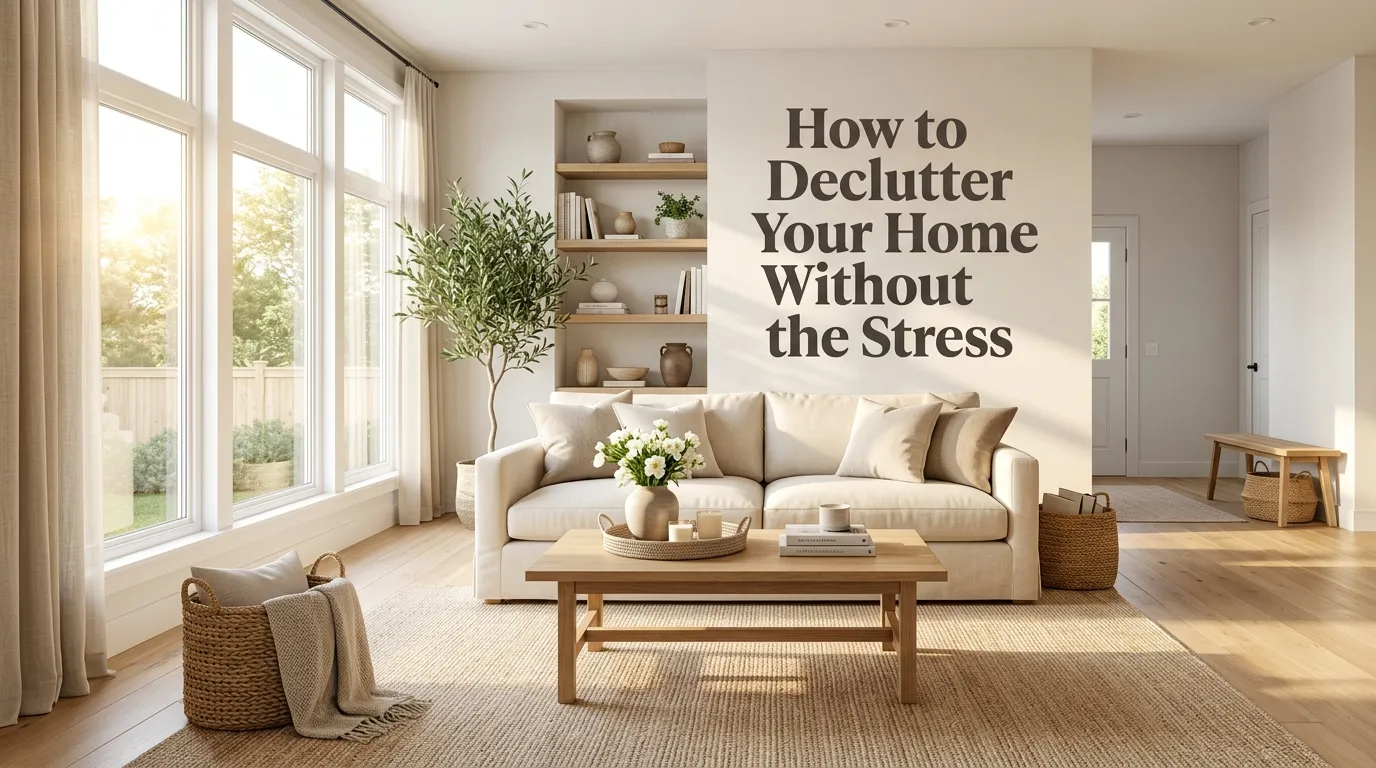
How to Declutter Your Home Without the Stress
A cluttered home can slowly affect how a space feels and functions. When rooms become filled with unused items, overflowing storage, and unfinished organizing projects, everyday tasks can feel more difficult than they need to be. The challenge is that many people want a cleaner, more organized home but feel overwhelmed by the idea of tackling everything at once.
In my experience, the biggest mistake homeowners make is treating decluttering like a massive weekend project that requires removing half of their belongings. A peaceful home is not created by getting rid of everything — it comes from creating intentional spaces where the things you use and love have a clear place.
I’ve noticed that many people struggle with clutter because they start without a realistic plan. They empty entire rooms, create huge piles, and quickly lose motivation. A better approach is focusing on smaller areas, making thoughtful decisions, and creating simple systems that are easy to maintain.
Stress-free decluttering is about creating a home that supports your lifestyle. It means reducing visual distractions, improving daily routines, and making rooms easier to enjoy. Whether you are preparing for a move, refreshing your home, or simply wanting a calmer environment, small changes can create a noticeable difference.
This guide shares practical ways to declutter your home without pressure or frustration. Each idea focuses on realistic methods, organization strategies, and simple habits that help create a more comfortable and functional living space.
The goal is not perfection. The goal is creating a home that feels lighter, easier to manage, and more aligned with the way you actually live.
Table of Contents
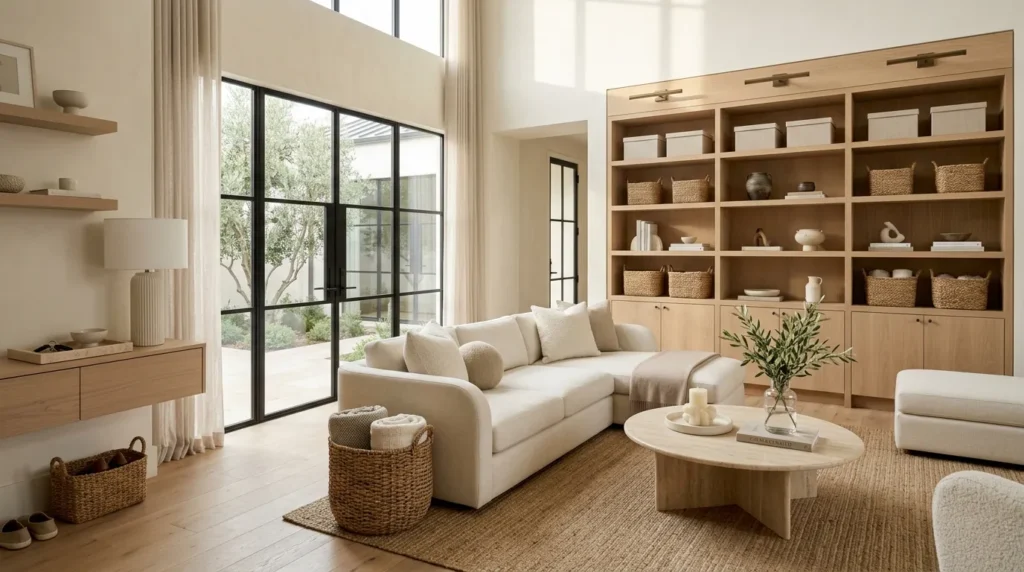
- Start Small Areas — Build momentum with manageable spaces.
- Create Clear Categories — Make decisions easier during decluttering.
- Use the Four Box Method — Simplify sorting and organizing.
- Declutter Daily Zones — Improve everyday functionality.
- Organize Hidden Storage — Maximize overlooked spaces.
- Reduce Duplicate Items — Create more intentional belongings.
- Create Easy Systems — Maintain organization long-term.
- Refresh Decorative Items — Improve visual balance.
- Digitize Paper Clutter — Reduce unnecessary storage.
- Build Simple Habits — Keep your home clutter-free.
1. Start Small Areas
Quick Benefits
- Reduces overwhelm
- Creates quick progress
- Builds motivation
- Makes decisions easier
- Prevents burnout
Why It Works
Starting with small areas is one of the most effective ways to create lasting decluttering progress. When people begin with an entire room or multiple spaces at once, the process can quickly become exhausting and stressful.
In my experience, completing a small drawer, shelf, or countertop creates a sense of accomplishment that encourages continued progress. A mistake many homeowners make is waiting for the perfect day to completely transform their home, but smaller consistent actions often create better results.
Small areas allow you to practice making decisions without feeling emotionally overwhelmed by years of accumulated belongings.
How To Style It
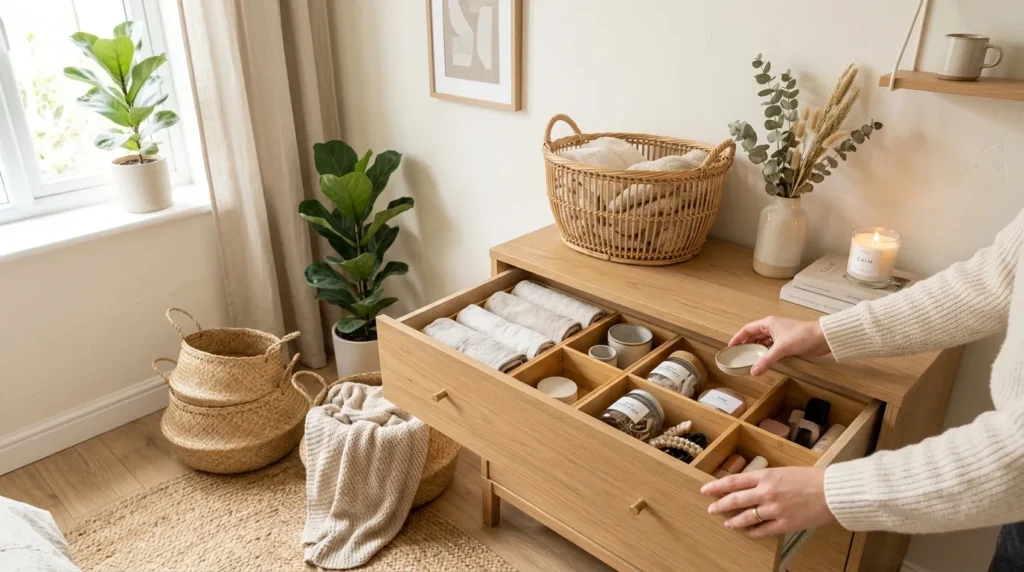
Choose one small area that bothers you regularly, such as a kitchen drawer, bathroom cabinet, entryway table, or bedside surface.
Set a short time limit, such as 15–30 minutes, and focus only on that specific space. Remove everything, decide what belongs there, and return only useful or meaningful items.
Once the area is complete, maintain it by giving each item a specific place. Small organized zones throughout the home create a larger feeling of calm over time.
2. Create Clear Categories
Quick Benefits
- Simplifies decision-making
- Prevents unnecessary keeping
- Creates organized spaces
- Saves future time
- Makes decluttering easier
Why It Works
Many people struggle with decluttering because they make decisions randomly. Creating clear categories helps remove emotional confusion and makes the process more logical.
I’ve noticed that homeowners often keep items because they are unsure where those things fit in their lives. Categories create a framework that helps determine what is useful, what is sentimental, and what is simply taking up space.
A mistake many people make is organizing before deciding what they actually need. Storage solutions cannot fix having too many unnecessary items.
How To Style It
Create simple categories such as keep, donate, recycle, relocate, and repair.
For clothing, separate everyday pieces, seasonal items, special occasion items, and items that no longer fit your lifestyle.
For home décor, group similar items together before deciding what to display. Seeing everything at once makes it easier to create a balanced and intentional home.
3. Use the Four Box Method
Quick Benefits
- Creates an organized process
- Prevents random decisions
- Works room by room
- Reduces clutter quickly
- Makes sorting manageable
Why It Works
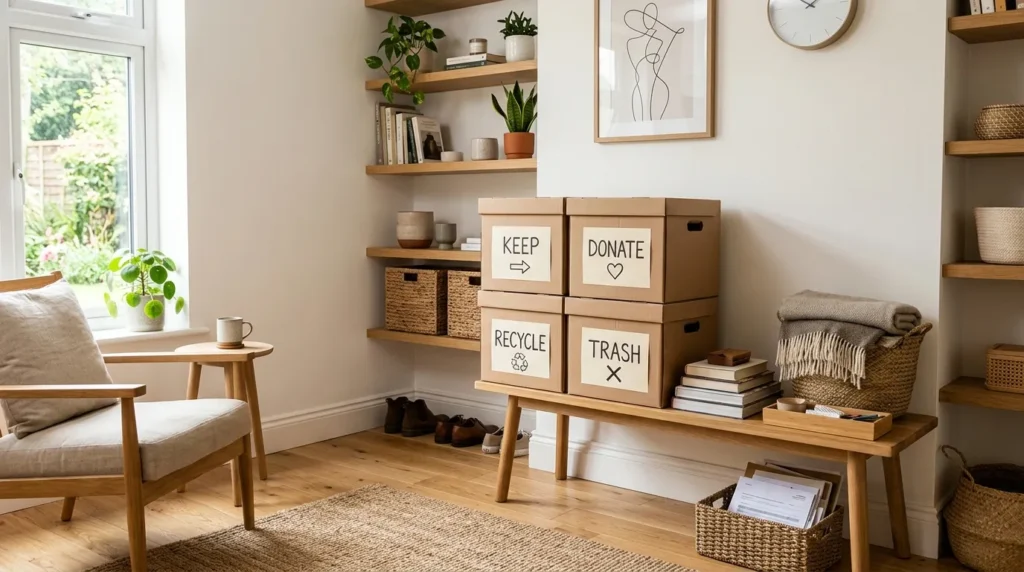
The four box method is a simple approach that makes decluttering feel less overwhelming. Instead of constantly moving items around, each belonging immediately receives a decision.
In my experience, having a clear sorting system prevents the common problem of creating temporary piles that remain unfinished for weeks.
The method works because it separates decision-making from organizing. First you decide what stays, then you create storage solutions for the items that truly belong.
How To Style It
Prepare four containers labeled:
- Keep
- Donate
- Trash
- Move to Another Room
Work through one area at a time and place each item into the correct category.
Avoid creating a “maybe” pile that delays decisions. If you are unsure about something, ask whether you have used it recently or whether it supports your current lifestyle.
4. Declutter Daily Zones
Quick Benefits
- Improves everyday routines
- Makes homes feel cleaner
- Reduces repeated mess
- Saves daily time
- Creates functional spaces
Why It Works
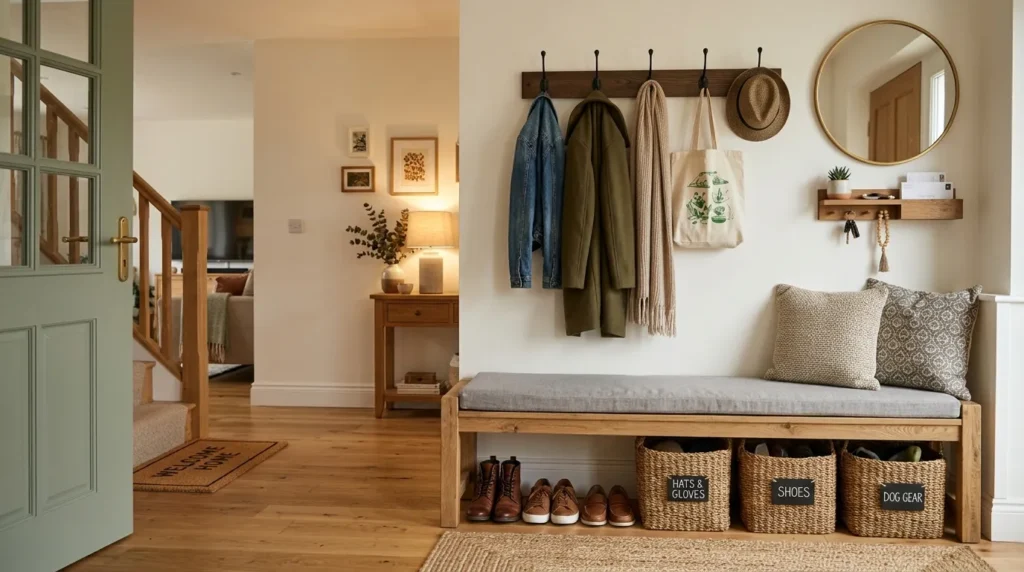
Daily-use areas have the biggest impact on how organized a home feels. Entryways, kitchen counters, bathroom surfaces, and bedside tables often collect clutter because they are used constantly.
I’ve noticed that organizing these high-traffic areas creates an immediate improvement in how a home feels. Even when other rooms are still being worked on, clean daily zones create a sense of control.
A mistake many homeowners make is starting with storage areas while ignoring the spaces they interact with every day.
How To Style It
Focus first on areas that affect your daily routine. Create simple systems for keys, mail, shoes, toiletries, and frequently used items.
Use baskets, trays, hooks, and small organizers to keep everyday belongings contained.
The goal is not hiding everything away — it is making daily items easy to access while keeping surfaces visually calm.
5. Organize Hidden Storage
Quick Benefits
- Maximizes unused space
- Creates cleaner rooms
- Improves organization
- Makes items easier to find
- Reduces visible clutter
Why It Works
Hidden storage areas often become the most neglected parts of a home. Closets, cabinets, drawers, and under-bed spaces can quickly become filled with forgotten items that make organization more difficult.
In my experience, homeowners often buy more storage containers without first organizing what they already own. The real solution is not adding more places to store things — it is creating intentional systems for the belongings that deserve space.
A mistake many people make is hiding clutter behind closed doors and assuming the problem is solved. Overfilled storage areas eventually affect how easily the entire home functions.
How To Style It
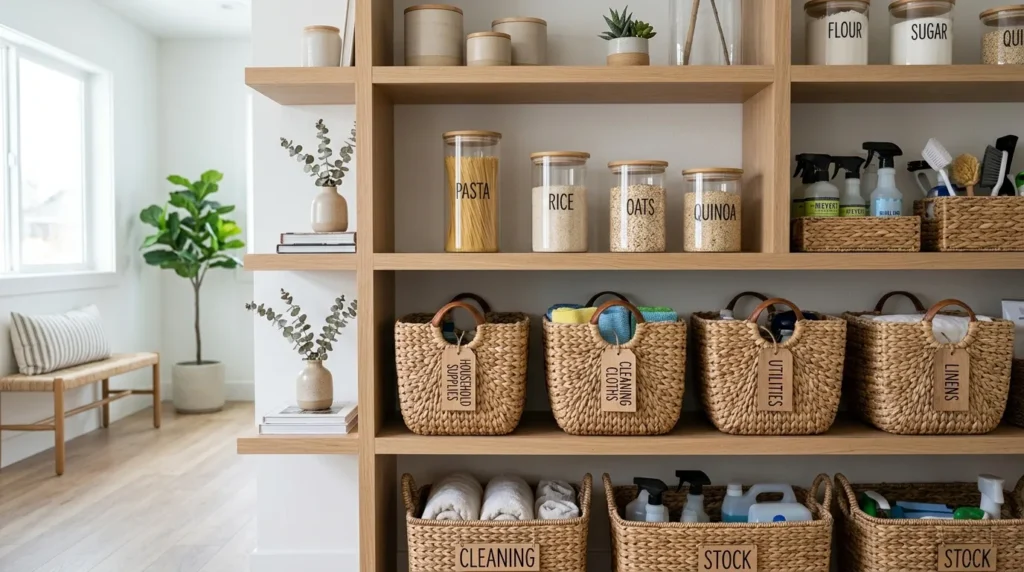
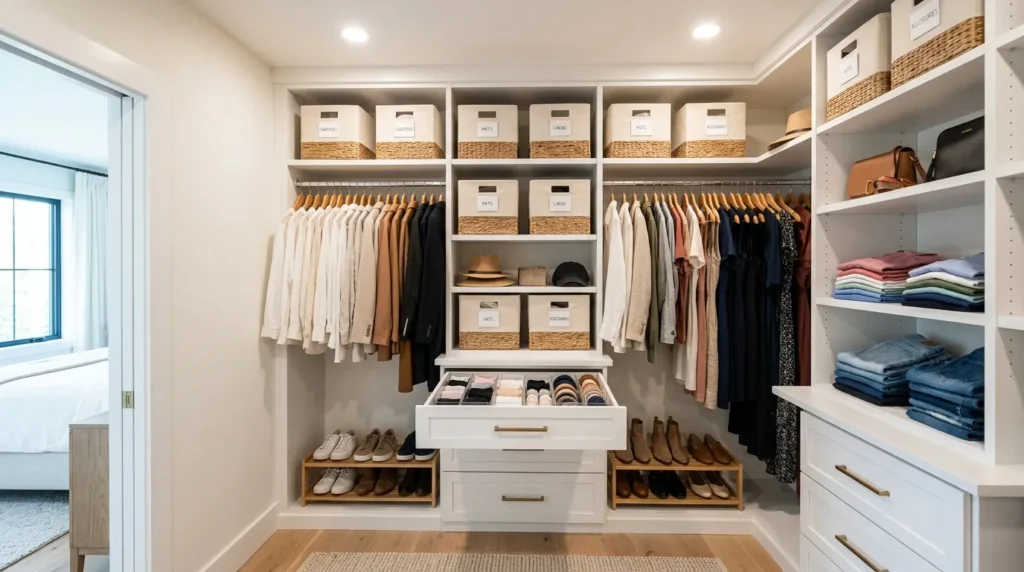
Start with one storage area at a time, such as a closet shelf, kitchen cabinet, linen closet, or bathroom drawer.
Use matching bins, labeled containers, drawer dividers, and vertical organizers to maximize space.
Store frequently used items where they are easy to reach and move seasonal or occasional items to higher shelves or less accessible areas.
A well-organized storage space should allow you to see what you own without needing to search through piles.
6. Reduce Duplicate Items
Quick Benefits
- Creates more space
- Makes storage easier
- Prevents unnecessary shopping
- Simplifies daily routines
- Encourages mindful choices
Why It Works
Duplicate items are one of the biggest hidden sources of clutter because they often accumulate slowly. Extra kitchen tools, beauty products, clothing basics, and household supplies can take up valuable storage without providing additional value.
I’ve noticed that many homes feel crowded not because they contain too many meaningful belongings, but because they contain multiple versions of the same things.
A mistake many homeowners make is keeping duplicates “just in case” even when those items are rarely used.
How To Style It
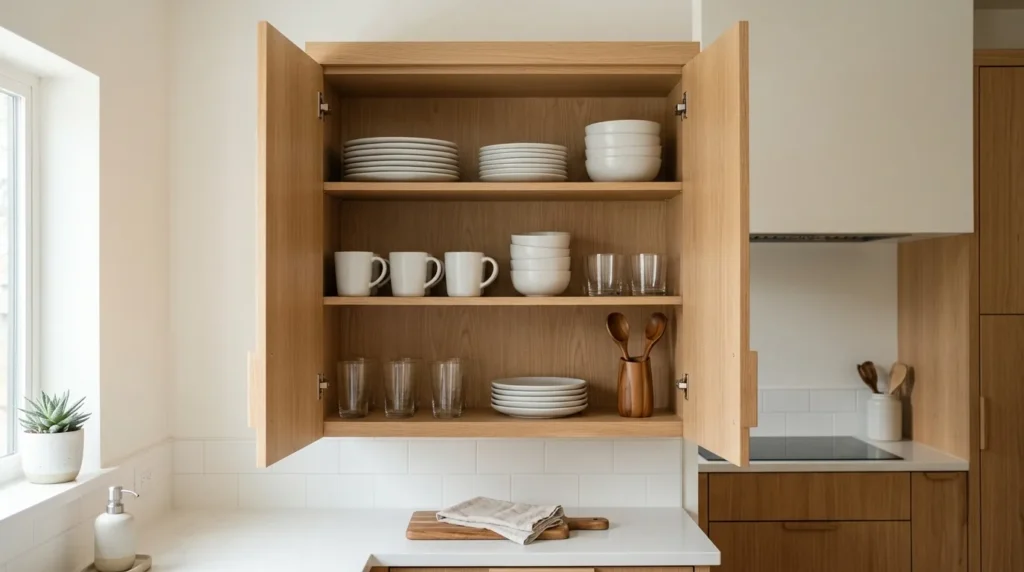
Begin by grouping similar items together. Seeing how many duplicates you already own makes decisions much easier.
Keep the best-quality or most frequently used version and donate extras that are still useful.
For everyday items, create simple limits. For example, keep only the number of towels, mugs, or kitchen tools that realistically fit your lifestyle.
7. Create Easy Systems
Quick Benefits
- Maintains organization longer
- Reduces future clutter
- Saves time
- Makes cleaning easier
- Supports daily routines
Why It Works
Decluttering is not only about removing things — it is about creating systems that prevent clutter from returning. Without simple habits, organized spaces can quickly become messy again.
In my experience, the most successful homes are not always perfectly organized; they simply have systems that are easy enough to follow every day.
A mistake many people make is creating complicated organizing methods that require too much effort to maintain.
How To Style It
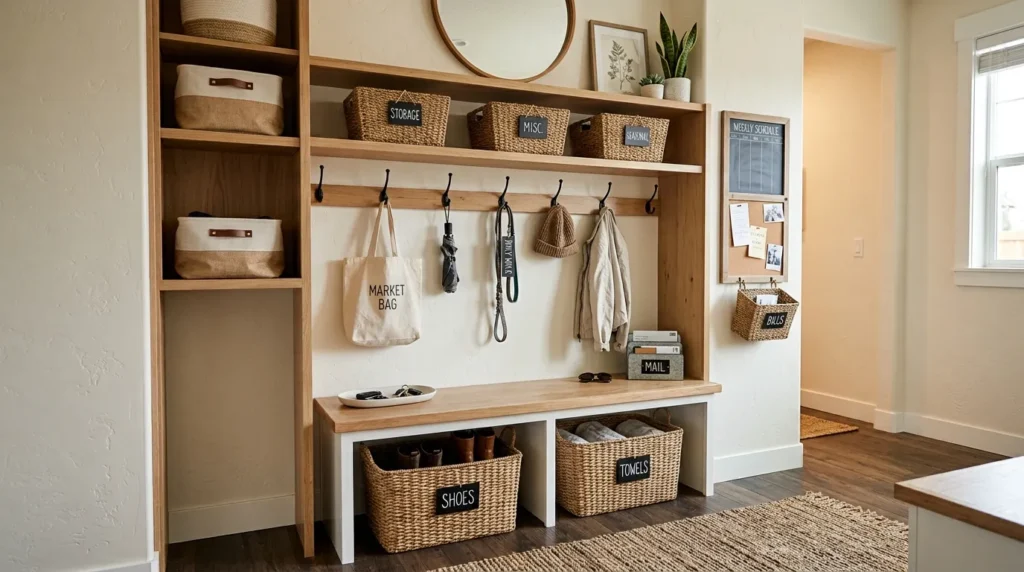
Create simple routines based on how your household actually works.
Use baskets near entryways for commonly used items, hooks for bags and jackets, and designated spaces for frequently misplaced belongings.
Make organization convenient. If a system requires too many steps, it is unlikely to last.
The best storage solutions are the ones that naturally fit into your daily habits.
8. Refresh Decorative Items
Quick Benefits
- Improves visual balance
- Creates a calmer atmosphere
- Highlights favorite pieces
- Reduces unnecessary décor
- Makes rooms feel intentional
Why It Works
Decorative items add personality, but too many accessories can make a home feel visually crowded. Decluttering décor is not about removing character — it is about allowing your favorite pieces to stand out.
I’ve noticed that rooms often feel more expensive and peaceful when decorations are edited carefully. A few meaningful items usually create more impact than many small objects competing for attention.
A mistake many homeowners make is displaying every decorative item they own at the same time.
How To Style It
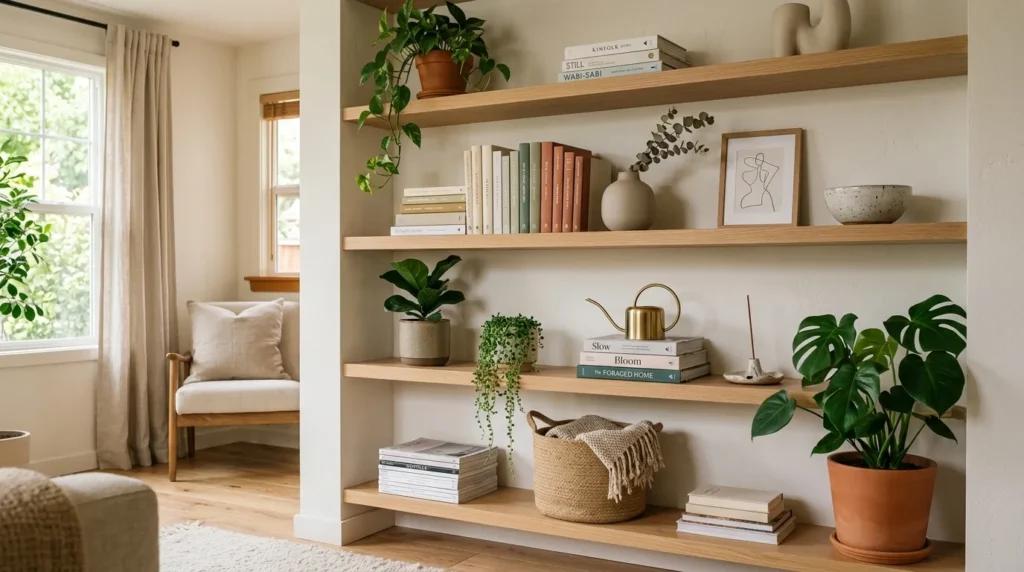
Remove décor from shelves, tables, and walls before deciding what should return.
Group similar items together and choose pieces that add texture, color, or personal meaning.
Rotate seasonal decorations instead of displaying everything year-round. This keeps your home feeling fresh without adding permanent clutter.
9. Digitize Paper Clutter
Quick Benefits
- Frees physical space
- Reduces mess
- Makes documents easier to find
- Creates cleaner offices
- Simplifies storage
Why It Works
Paper clutter can quickly build up because documents, receipts, manuals, and old paperwork often remain untouched for years.
In my experience, paper organization becomes much easier when homeowners create a simple digital system instead of trying to store every document physically.
A mistake many people make is keeping papers without deciding whether they are actually needed or legally important.
How To Style It
Sort papers into categories such as important documents, action items, recycle, and digital copies.
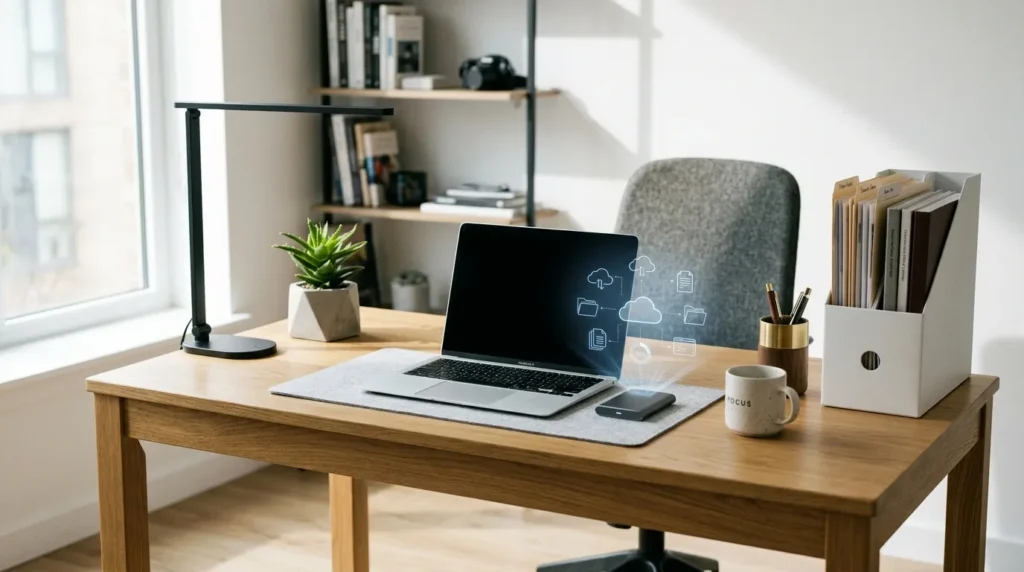
Scan important records and store them securely online when appropriate.
Create a simple filing system for documents that need to remain physical. Avoid keeping papers simply because they might be useful someday.
10. Build Simple Habits
Quick Benefits
- Keeps clutter from returning
- Creates long-term results
- Reduces cleaning time
- Makes organization automatic
- Supports a calmer home
Why It Works
The final step in stress-free decluttering is building habits that maintain the progress you have created. A home does not stay organized because of one major cleaning session — it stays organized because of small repeated actions.
I’ve noticed that people who maintain clutter-free homes usually have simple routines rather than strict organizing schedules.
A mistake many homeowners make is waiting until clutter becomes overwhelming before addressing it.
How To Style It
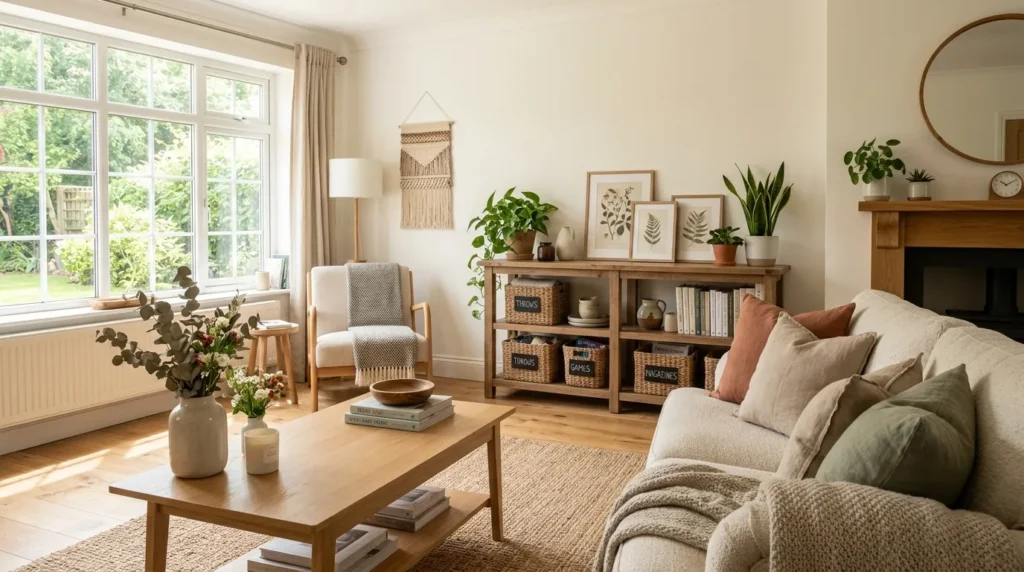
Create small daily habits such as returning items after use, clearing kitchen counters each evening, and completing quick weekly resets.
Use the “one in, one out” approach when bringing new items into your home.
Consistency matters more than perfection. A few minutes of maintenance each day can prevent hours of stressful organizing later.
Frequently Asked Questions
How do I declutter my home when I feel overwhelmed?
Start with one small area instead of trying to complete the entire house. Choose a drawer, shelf, or countertop and create simple categories for sorting. Small victories build confidence and make larger projects feel more manageable.
What is the easiest room to start decluttering?
Many people find bathrooms, entryways, and small storage areas easier because they contain fewer emotional items. Starting with simple spaces helps build momentum before moving to larger areas like bedrooms or garages.
How do I decide what to keep and what to remove?
Ask whether you use the item regularly, whether it supports your current lifestyle, and whether you would buy it again today. Keeping only useful or meaningful items helps create a more intentional home.
How can I declutter without throwing away things I love?
Decluttering does not mean removing everything sentimental. Keep items that have genuine emotional value while finding better ways to display or store them. The goal is creating balance, not eliminating memories.
How often should I declutter my home?
A small seasonal review works well for many households. Regularly checking closets, storage areas, and high-use spaces prevents clutter from building up again.
How do I keep my home organized after decluttering?
Create simple systems for everyday items and maintain small habits such as returning things to their places, reviewing purchases, and completing quick resets regularly.
Conclusion
Decluttering your home without stress is about creating a process that feels realistic and sustainable. A calm home does not come from removing everything you own — it comes from surrounding yourself with items that support your lifestyle and creating systems that make everyday living easier.
Small steps, such as organizing one area at a time, reducing duplicates, and creating simple storage habits, can create meaningful improvements without the pressure of a complete home transformation.
The most successful decluttering journey is one that fits your real life. Start with the space that bothers you most, make thoughtful decisions, and gradually create a home that feels lighter, calmer, and easier to enjoy.
Related Articles
- How to Organize a Small Bedroom Without Extra Storage
- Small Home Organization Ideas That Actually Work
- Minimal Home Decor Ideas for a Calm Space
- How to Create a Cozy Organized Home
- Storage Ideas for Small Spaces